Facilities & Government Advocacy
Turn “we need more sports spaces, funding and support” into a strategy governments can actually say yes to!
Most sport organisations know they need more and better facilities, sustainable funding and stronger backing from government. Courts are full, volunteers are stretched, and you’re constantly being told to “apply for this grant” or “talk to that councillor” without a clear plan.
The hard part isn’t knowing what you need – it’s building the evidence, relationships and strategy that councils, governments and departments can genuinely get behind.
This service helps sport organisations move from reactive conversations to a clear, credible and long-term advocacy and government relations plan – for facilities and for the broader support you need to serve your community.
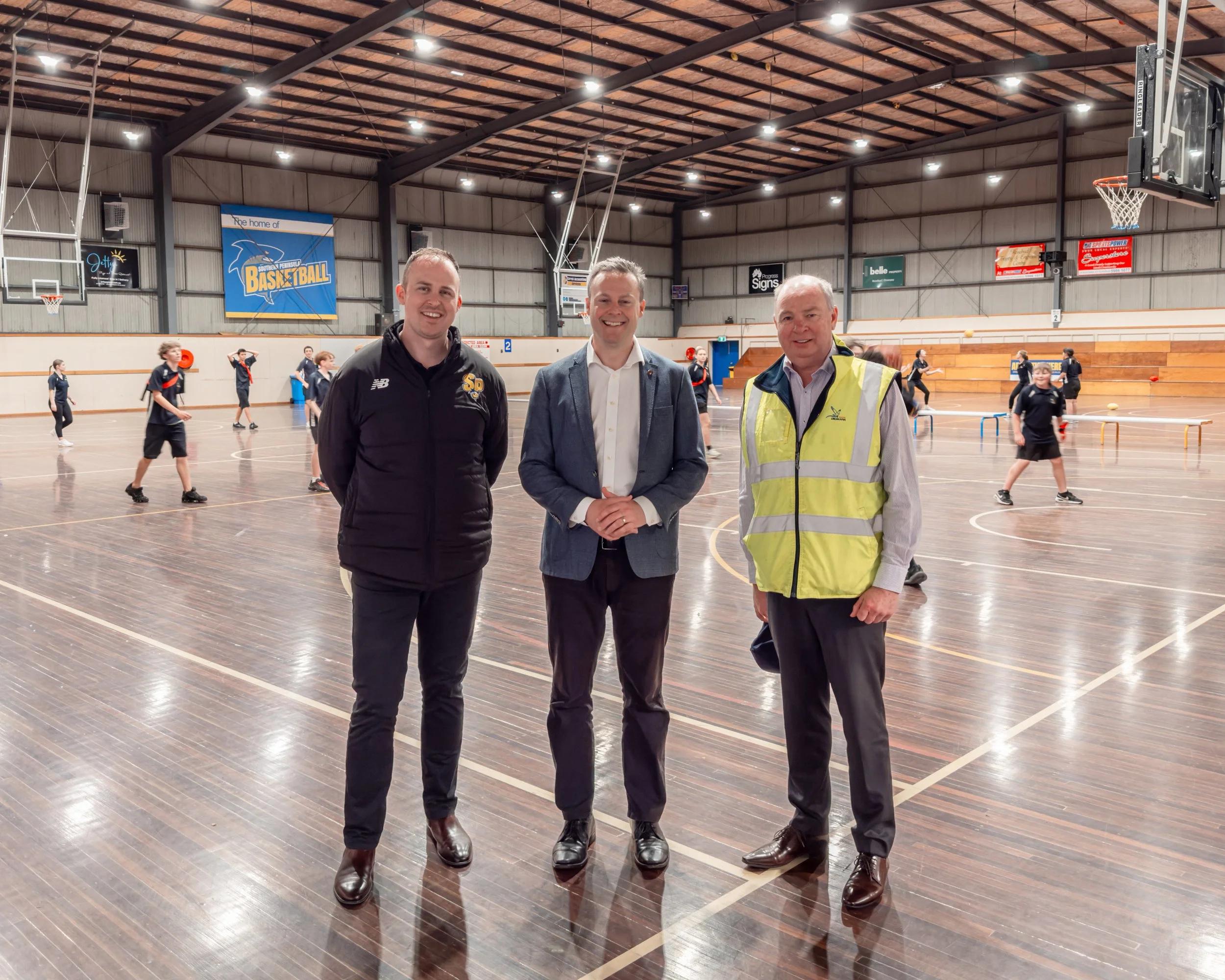
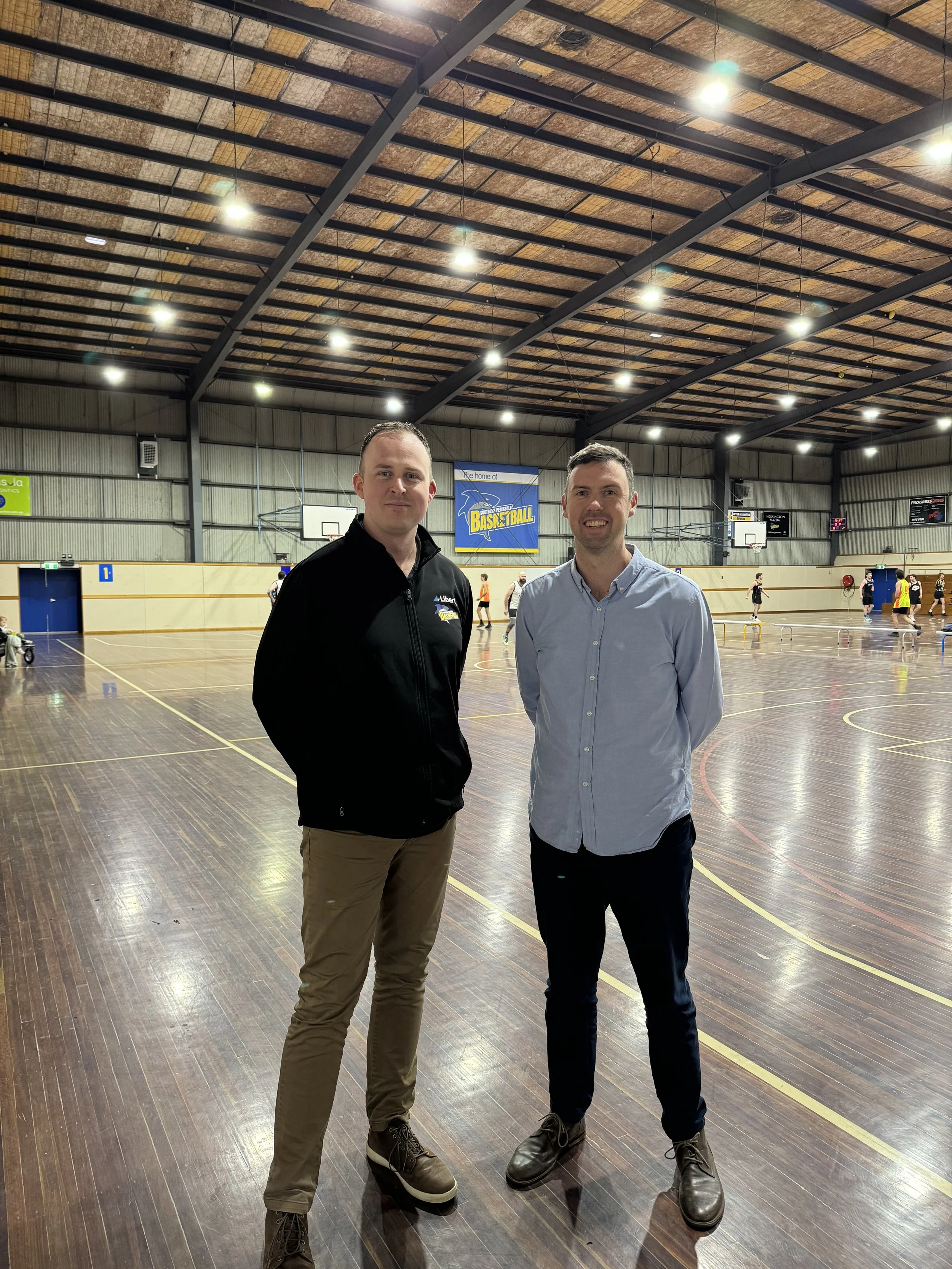
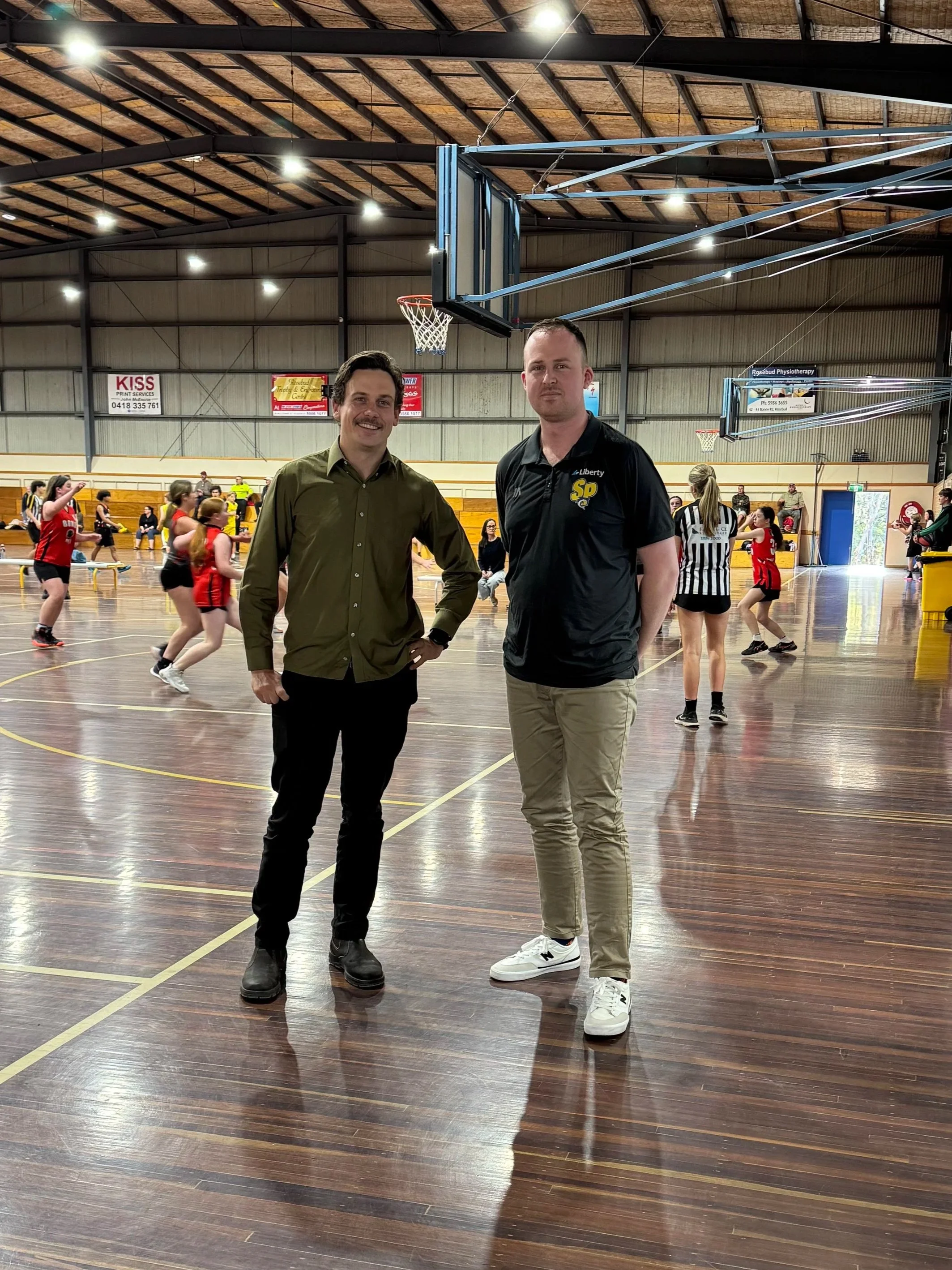
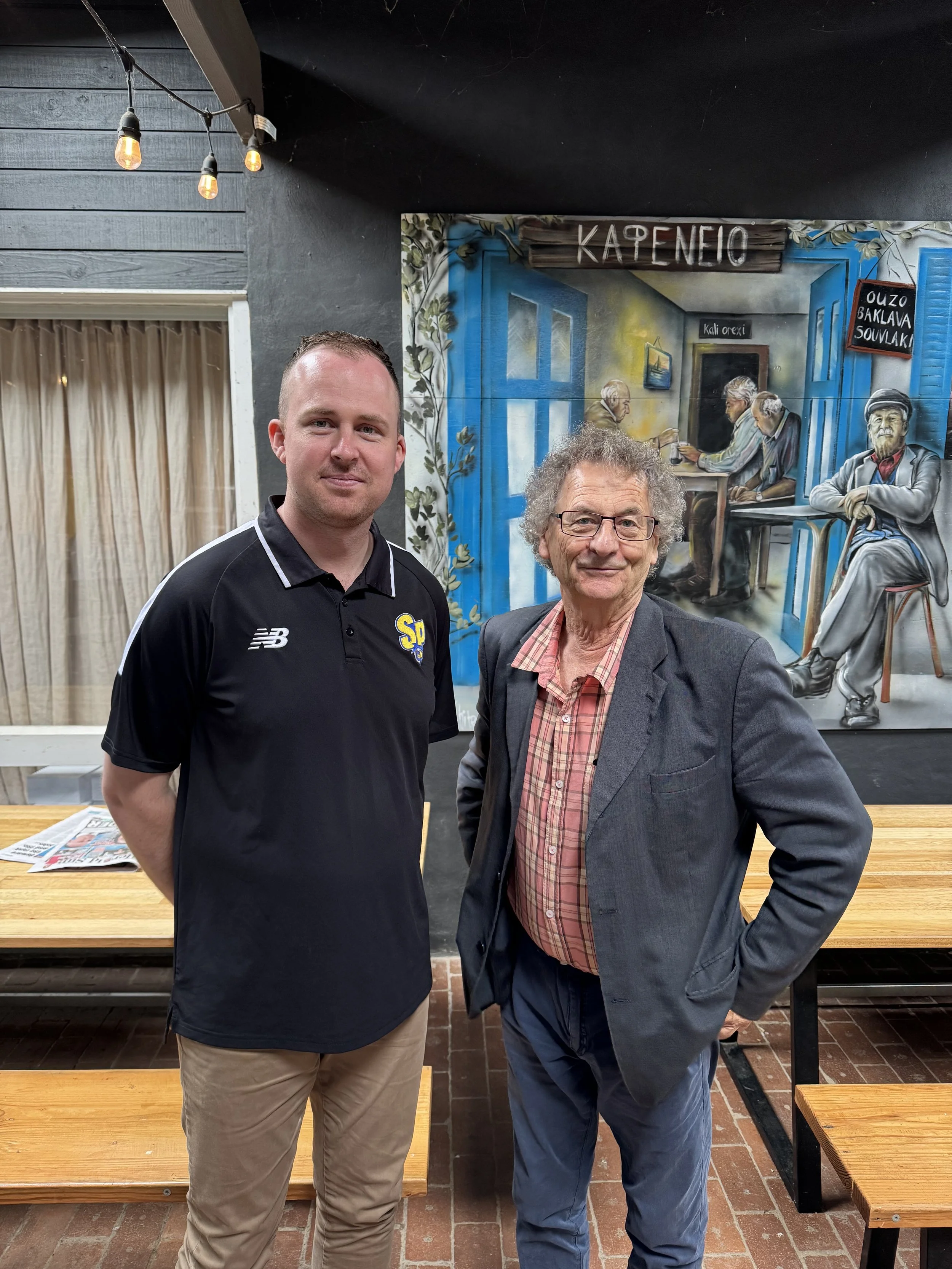
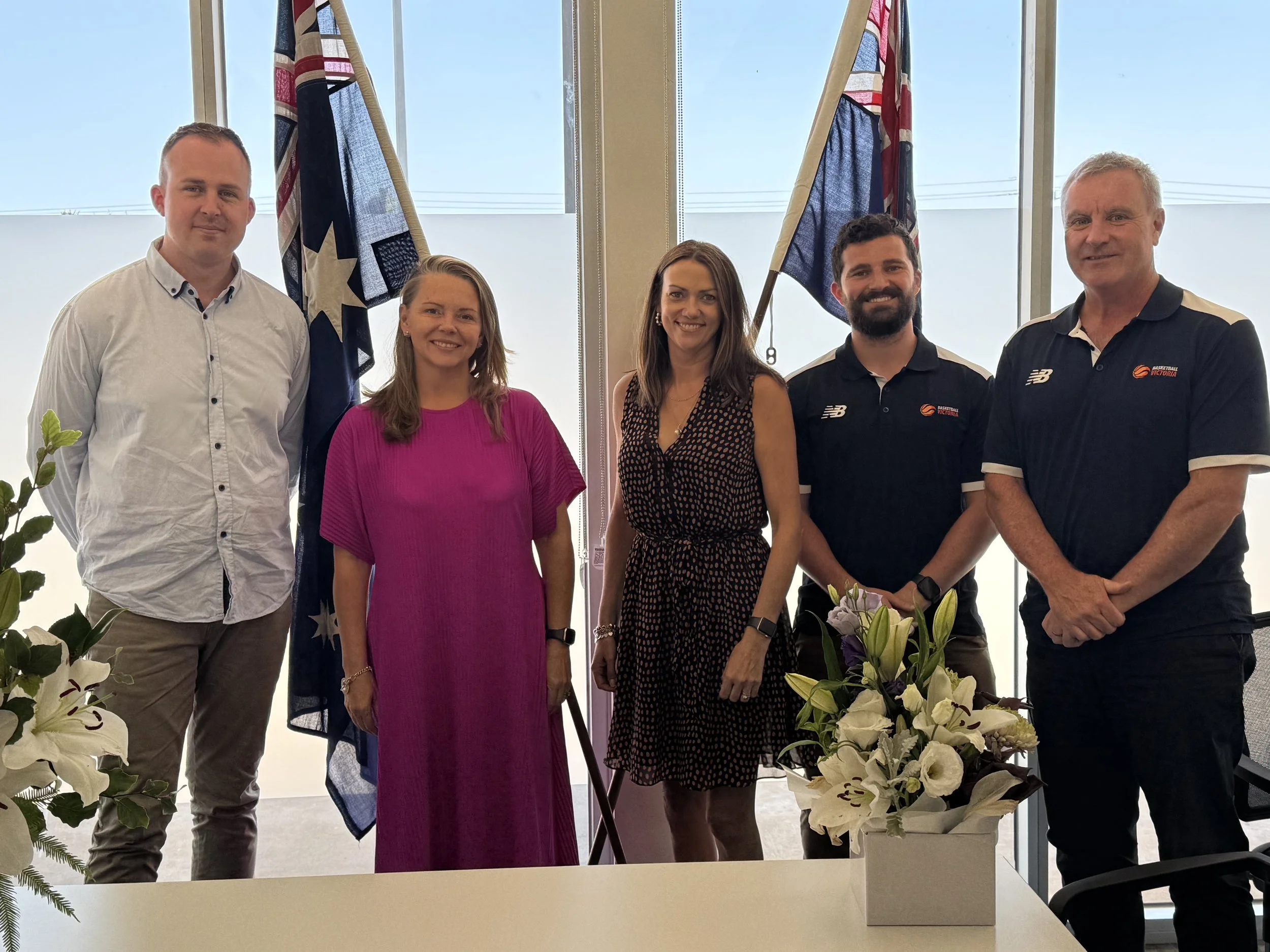
Meeting with Member for Mornington, Chris Crewther and Dromana College Principal, Alan Marr.Who this is for.
This work is a good fit if you are:
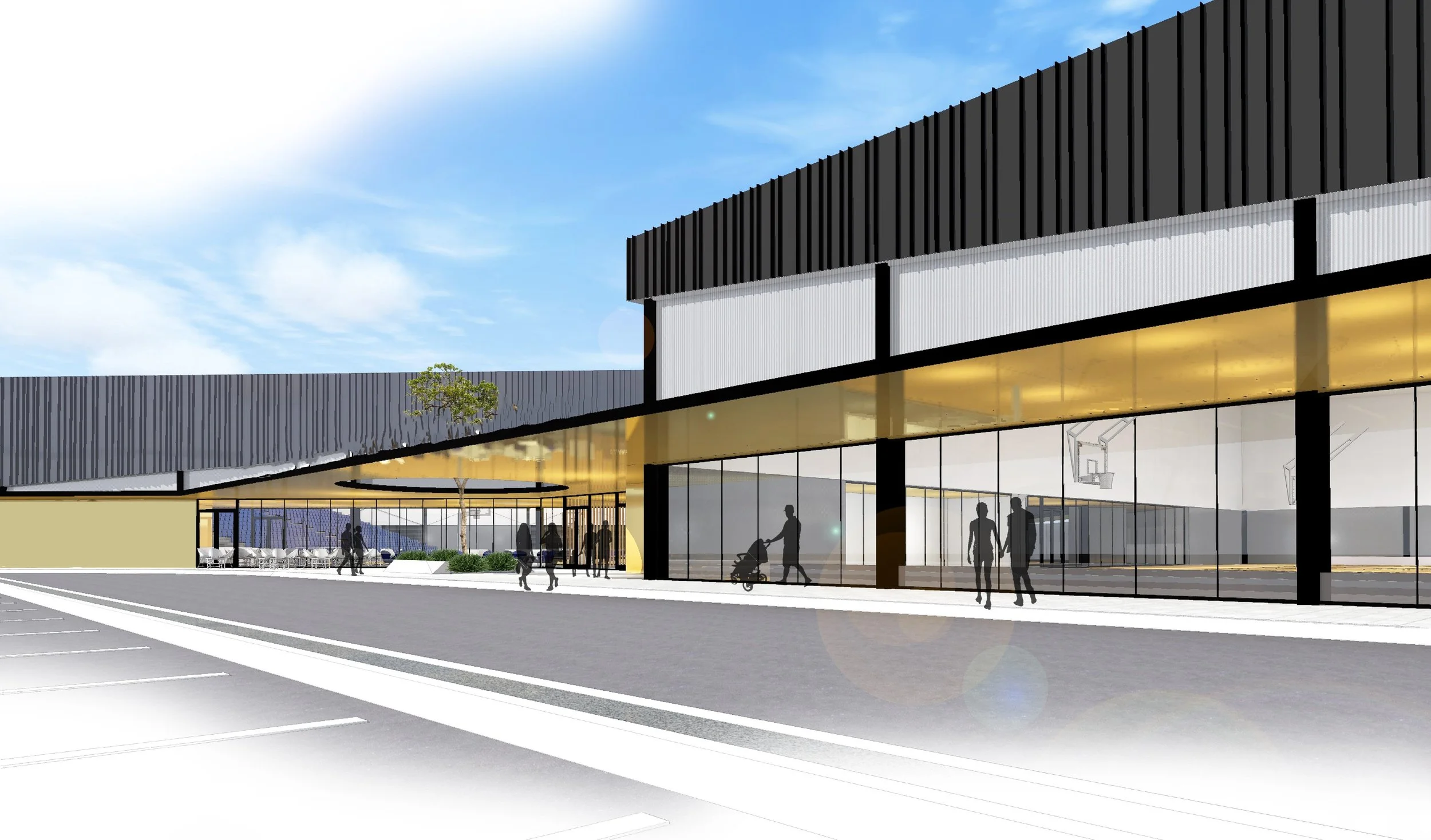
A local association or club dealing with court shortages, waitlists or ageing facilities
A regional or state body trying to coordinate multiple facility and funding projects
A board or CEO/GM responsible for leading advocacy with council, state and federal representatives
A community sport leader who spends a lot of time having ad-hoc conversations with councillors, MPs or officers – but doesn’t feel there’s a joined-up strategy
You don’t need a polished plan yet. You just need to be ready to move beyond “we’re busy and underfunded” into a structured, repeatable approach.
Common challenges we work on
Reactive, not proactive
You only mobilise when there’s a crisis, a draft strategy you don’t like, or a grant deadline – instead of having a steady, long-term advocacy rhythm.
Facilities vs everything else
You’re trying to juggle facility expansion ideas, grant opportunities, participation growth, inclusion priorities and high performance – but it’s not clear what to ask for first.
Lots of frustration, not enough structure
Everyone feels the pressure - full courts, fatigue, unable to accept new teams – but it’s not translated into clear data, stories and options that decision-makers can act on.
Fragmented advocacy
Board members, staff, volunteers and supporters are all talking to different councillors, MPs and officers with different messages.
Not speaking “government” language
Passion and anecdotes are strong, but there’s little linkage to council and government strategies, wellbeing plans, climate goals, transport, active transport or community resilience.
What We Help You Do
Support is tailored to your context, but usually covers both facilities and broader government relations.
1. Facilities strategy & business cases
Map current and future facility demand – court usage, turn-away, growth forecasts
Clarify your short, medium and long-term facility options (school sites, expansions, new builds, shared use)
Identify alignment with local and regional strategies – sport, recreation, health, climate, transport
Develop or refine business cases and briefing papers that combine data, economics and community impact
2. Government advocacy & relationships
Map your stakeholder landscape across:
Councillors and council officers
Local, state and federal MPs
School leaders and departments
Peak bodies and partners
Define key messages that connect your needs to their priorities
Plan meeting sequences and touchpoints so you’re consistently in the conversation, not just appearing at crisis points
Prepare you and your spokespeople for briefings, deputations and community consultations
3. Policy, submissions & consultation responses
Help you respond clearly to draft strategies, policies and capacity plans
Support with submissions, letters and position statements that are constructive and evidence-based
Translate complex documents into plain language so your board, members and community understand what’s at stake
Coordinate member engagement (surveys, petitions, forums) so your community voice is organised and respectful

Example types of engagements
Facilities & Advocacy Snapshot
A short engagement to get you out of the fog and moving forward.
Rapid review of facilities, usage and pressure points
Identification of key advocacy opportunities and risks
Short briefing paper for your board and key stakeholders
Facilities & Government Relations Plan
For organisations ready to treat advocacy as a core piece of strategy, not an ad-hoc task.
Clear facility roadmap with preferred options and priorities
Stakeholder map across council, government, schools and partners
Key messages, talking points and simple visual aids
6–12 month advocacy plan with practical actions
Ongoing Advisory Support
For boards and executives who want a partner alongside them over the long term.
Regular check-ins (e.g. monthly or quarterly)
Support preparing for key meetings, consultations and decisions
Help adjusting your approach as political, economic or strategic settings shift
Scope and pricing are tailored to organisation size and project complexity. I can also work alongside your existing planners, consultants and staff.
How it works
A typical process looks like:
Initial conversation
We talk through your facilities picture, current advocacy efforts, key relationships and where you’re feeling stuck.Discovery & analysis
I review your competition schedules, usage data, participation trends, local strategies and any existing advocacy or facility work.Strategy & priorities
Together we clarify what you’re asking for, in what order, and why – and how that aligns with council and government agendas.Tools & implementation
We develop the documents, visuals, messages and rhythms you need – so you’re ready for meetings, consultations, grants and political windows when they appear.Review & support (optional)
As the advocacy progresses, we check what’s working, tweak the plan, and keep you credible and consistent over time.
Why work with me on facilities and government relations?
I’ve led an association through real-world facility pressure, government strategies and political cycles – not just theory.
I’ve influenced government policy to secure the best outcomes for sport.
I understand the realities of community sport – volunteers, tight budgets, full courts, frustrated families – and how to translate that into something government can act on.
I’m comfortable operating across community, council, state and federal contexts, and balancing community voice with political and financial realities.
My focus is on evidence-based, respectful advocacy that builds long-term relationships – not one-off campaigns that burn bridges.